Lipo Sculpt Boston · Non-surgical aesthetics

CryoPen Skin Imperfection Removal Boston

A small skin tag, raised growth or dark spot can become something you notice every time you look in the mirror. Although many skin imperfections are harmless, you may want to explore treatment because of their appearance, irritation or the way they affect your confidence.

CryoPen skin imperfection removal uses controlled freezing to treat selected skin lesions. It is a form of cryotherapy, but suitability depends on what the mark actually is, where it appears and its characteristics.

At Lipo Sculpt Boston, understanding the treatment means looking beyond the procedure itself. Knowing what freezing can achieve, what healing involves and when a mark needs medical assessment first can help you make a more informed decision.

cryopen

Start with a conversation.

Understand your options before deciding on treatment.

Consultation first

Time to discuss suitability and ask questions.

A plan around you

Treatment options explained for your circumstances.

Convenient home visits

Home visits are available for suitable treatments, subject to an individual suitability assessment and local availability.

What Is CryoPen Skin Imperfection Removal Boston?

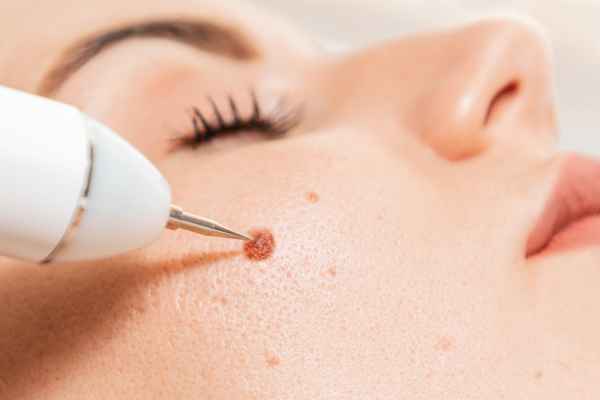
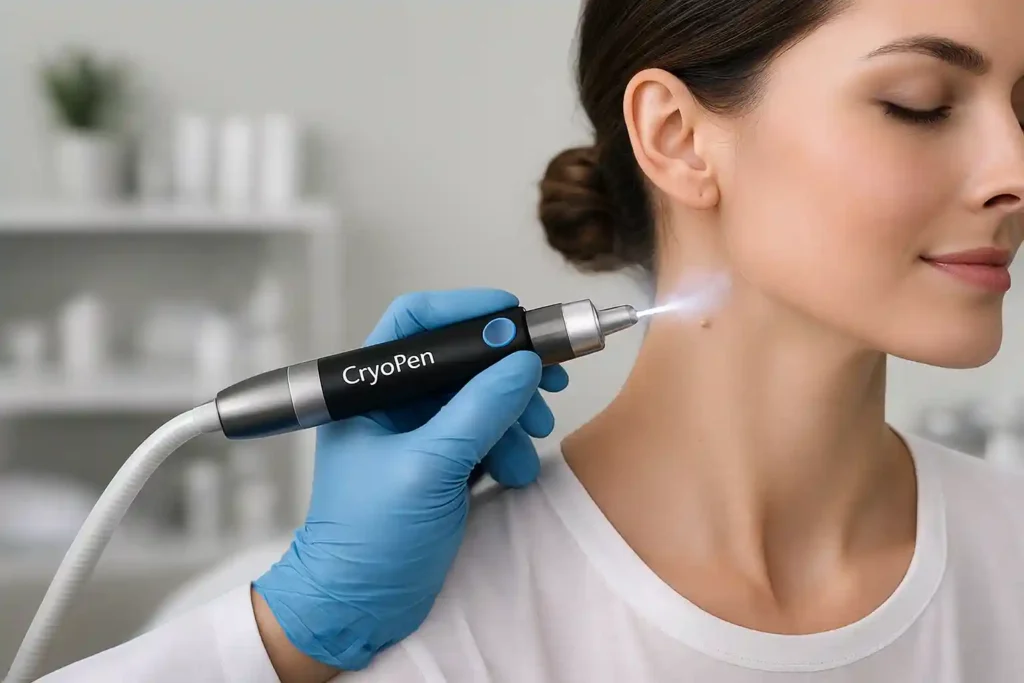
CryoPen is a device used to deliver a very cold substance to a targeted area of skin. The freezing process damages the cells within the treated tissue, allowing the affected area to heal over time.

Cryotherapy is used to treat certain skin conditions, including some warts and actinic keratoses. However, treatment is not suitable for every skin mark, so the correct diagnosis is important before freezing is considered. [1][2]

CryoPen treatment is sometimes considered for selected benign skin imperfections, such as skin tags, seborrhoeic keratoses and certain other superficial lesions. Whether a particular lesion can be treated depends on its appearance, depth, location and the device’s intended use.

It is important to distinguish cosmetic skin imperfection removal from the treatment of a medical condition. A treatment that is suitable for one type of growth may be inappropriate for another.
Which Skin Imperfections May Be Suitable?

Explore the treatment information below. The right option depends on your concerns, medical history and an individual assessment.

Skin tags:

Small, soft skin growths that commonly appear on the neck, underarms and other areas where the skin rubs against itself.

Seborrhoeic keratoses:

Usually harmless, raised or flat growths that can look waxy, rough or stuck onto the skin.

Warts and verrucas:

Growths associated with human papillomavirus (HPV), although treatment choice depends on their location and characteristics.

Age spots and sun spots:

Flat areas of pigmentation often associated with cumulative sun exposure. Other causes of pigmentation must be considered before treatment.

Selected other benign lesions:

Some may be suitable for freezing, but this should only be considered after appropriate assessment.

Not every mark should be treated cosmetically. Moles, unusual pigmented lesions and growths that have not been properly identified require particular caution. CryoPen should not be used as a substitute for an appropriate medical diagnosis.

CryoPen: 5 Skin Concerns It May Be Used to Treat

How Does CryoPen Treatment Work?

The principle behind cryotherapy is controlled cold exposure. Freezing damages cells in the targeted tissue, after which the body gradually heals the treated area.

The practitioner assesses the lesion and determines whether treatment is appropriate. If it proceeds, the device is applied to the selected area according to the treatment protocol and the characteristics of the lesion.

The application time can vary. A superficial, small lesion may require a different approach from a thicker or deeper one. There is no single treatment time or freezing setting that is suitable for every skin concern.

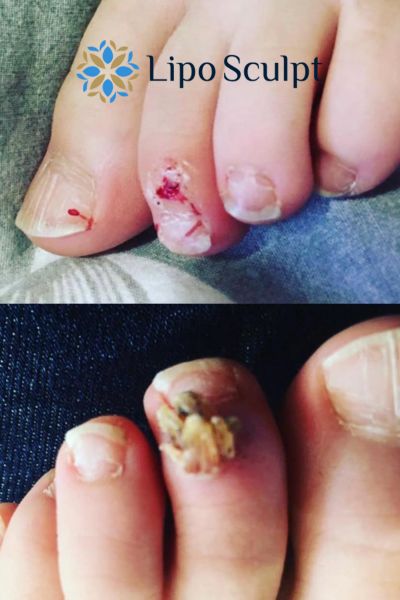
The treated area may become red, swollen or blistered. A crust can develop as healing progresses, eventually separating naturally. The appearance immediately after treatment is not a reliable indication of the final cosmetic result. [1]

Your treatment journey

Does CryoPen Treatment Hurt?

The sensation varies between individuals and treatment areas. You may experience intense cold, stinging, burning or discomfort during freezing. Some soreness can continue afterwards.

Sensitivity may depend on the lesion’s location, the depth and duration of freezing, and your individual pain threshold.

It would be misleading to describe the procedure as completely painless. Ask your practitioner what level of discomfort is expected and what to do if you find the treatment difficult to tolerate.

How Long Does Treatment Take, and Is There Downtime?

The freezing procedure itself may be brief, particularly when treating a small lesion. However, consultation, assessment and aftercare advice are also important parts of the appointment.

Healing takes longer than the treatment itself. Depending on the site and the extent of freezing, the area may blister, crust or remain discoloured for days or weeks. Some areas take longer to heal, particularly where circulation is poorer. [1]

You may be able to continue normal activities, but this does not mean there is no recovery period. Plan for the possibility of a visible healing mark, especially if the treatment is on your face, hands or another exposed area.

What Results Can You Expect?

CryoPen aims to treat the targeted lesion, but results depend on the type of growth, its depth, its response to freezing, and how the skin heals.

Some lesions may resolve after one session; others may need further assessment or treatment. Recurrence is possible, and we cannot guarantee complete clearance.

The treated area may initially look worse before it improves because of redness, swelling, blistering, or crusting. Once healed, the skin may be lighter or darker than the surrounding area. Occasionally, a scar can develop. Pigment changes can sometimes persist. [1]

CryoPen is not a general skin-rejuvenation treatment. It will not necessarily improve surrounding sun damage, prevent new skin imperfections or address every cause of uneven pigmentation.

What Are the Risks and Side Effects?

Cryotherapy is an established treatment, but it is not risk-free. Potential side effects include:

  • Temporary pain, redness and swelling.
  • Blistering, crusting or local skin irritation.
  • Infection if the treated area does not heal properly.
  • Scarring or a change in skin texture.
  • Lighter or darker pigmentation, which may occasionally be permanent.
  • Incomplete treatment or recurrence of the original lesion.


The risk depends on the lesion, treatment site, freezing technique and individual skin characteristics. Pigment changes can be particularly noticeable in darker skin tones. [1]

Before treatment, discuss any history of poor wound healing, unusual scarring, circulation problems, reduced sensation, relevant medical conditions or medicines that may affect healing. These factors may affect whether the treatment is suitable or whether another option would be safer.

CryoPen Aftercare: How Should You Look After Your Skin?

Follow your practitioner’s aftercare advice. General precautions include:

  • Keep the area clean and avoid unnecessary rubbing.
  • Do not pick crusts or deliberately burst blisters.
  • Use a dressing if advised or if the area needs protection from friction.
  • Avoid applying irritating skincare products directly to the healing area unless advised otherwise.
  • Protect the area from sunlight and use suitable sun protection once appropriate for the healing skin.


Healing times differ between individuals and treatment sites. Seek medical advice if redness, swelling or pain worsens, the area becomes increasingly warm, or pus or fever develops.

If the lesion fails to heal, returns or changes unexpectedly, arrange a medical assessment rather than repeatedly treating it cosmetically.

CryoPen Aftercare: How Should You Look After Your Skin Boston?

Your questions, answered

Frequently Asked Questions Boston

These answers offer a starting point. Your consultation provides information specific to the treatment and your circumstances.

CryoPen treatment may remove a suitable skin tag, but results can vary. The treated area needs time to heal, and some skin tags may require further assessment or treatment. New skin tags may develop in other areas.

Not automatically. A mole should be assessed by an appropriate medical professional before any removal is considered. Changing, unusual or suspicious moles require medical investigation rather than cosmetic freezing. [2][3]

This depends on the lesion’s type, size, depth and response to treatment. Some may resolve after one session, while others may require further assessment or an alternative approach. Your practitioner should explain what is realistic for your particular concern.

Not everyone develops a scar after CryoPen treatment, but it is possible. The treated skin may also become lighter or darker, and these changes can sometimes last permanently. Your individual risk depends on several factors. [1]

Many people can resume their usual activities, but the treated area may be sore, swollen, blistered or crusted. Consider the treatment location and whether the healing area could be irritated by clothing, work or daily activities.

It should not be assumed suitable for everyone. Freezing can cause pigment changes in any skin tone, and these may be more noticeable in darker skin. A suitability assessment should consider your skin, the lesion and your healing history. [1]

If the mark comes back, have it checked before considering further treatment. It’s important to confirm what it is and whether another approach is suitable. Seek medical advice if it changes, bleeds or does not heal.

References and Additional Resources

[1] British Association of Dermatologists (BAD) – Cryotherapy: https://www.bad.org.uk/pils/cryotherapy

[2] NHS – Moles: Information about moles, changes that may need medical attention and when to seek professional assessment. https://www.nhs.uk/conditions/moles/

[3] NHS – Symptoms of Melanoma Skin Cancer: https://www.nhs.uk/conditions/melanoma-skin-cancer/symptoms/

[4] British Association of Dermatologists – Actinic Keratoses:  https://www.bad.org.uk/pils/actinic-keratoses

What actually happens during a CryoPen treatment Boston?

Let's talk about your options

When Should You Seek Medical Advice Instead?

A skin mark should be assessed medically before cosmetic removal if it is new and unusual, changing in size, shape or colour, bleeding, persistently itching, crusting or failing to heal.

A mole that changes, or a growth that develops concerning features, should be checked by a GP. Do not attempt to freeze an unexplained lesion, because destroying tissue without an appropriate diagnosis can delay investigation of a potentially serious condition. 

Actinic keratosis is another important example. It is an area of sun-damaged skin that can sometimes progress to squamous cell skin cancer. Although cryotherapy is one recognised treatment option, diagnosis and treatment planning should follow an appropriate medical pathway. 

A cosmetic consultation cannot replace a medical diagnosis. If a skin mark has not been identified or looks unusual, it’s important to have it checked by a qualified healthcare professional before considering treatment. At Lipo Sculpt Boston, we’ll always put your safety first and won’t go ahead with cosmetic treatment if medical assessment is needed.

If you are unsure whether a mark is harmless, seek medical advice before booking cosmetic removal.

Information on this page is intended for general guidance and does not replace medical diagnosis, examination or treatment.